


Finding Serenity: Techniques for Inner Peace
In a world filled with constant distractions and stressors, finding inner peace can feel like an elusive goal. Many people struggle with anxiety, restlessness, and the overwhelming demands of daily life. However, achieving a state of serenity is possible through various techniques that promote mindfulness, relaxation, and self-awareness. This blog post will explore practical methods to cultivate inner peace, helping you navigate life's challenges with a calm and centered mindset.

Understanding Inner Peace
Before diving into techniques, it’s essential to understand what inner peace truly means. Inner peace is a state of mental and emotional calmness, free from anxiety and stress. It allows individuals to maintain a sense of balance and tranquility, even in the face of adversity. Achieving inner peace involves both mental and physical practices that foster a deeper connection with oneself and the surrounding environment.
The Importance of Inner Peace
Cultivating inner peace is not just about feeling good; it has numerous benefits for overall well-being. Here are some key reasons why inner peace is vital:
Improved Mental Health: A peaceful mind reduces anxiety and depression, leading to better emotional health.
Enhanced Focus: Inner peace allows for clearer thinking and improved concentration, making it easier to tackle tasks.
Better Relationships: When you are at peace with yourself, you can interact more positively with others, fostering healthier relationships.
Physical Health Benefits: Stress reduction can lead to lower blood pressure, improved immune function, and overall better physical health.
Techniques for Achieving Inner Peace
Mindfulness Meditation
Mindfulness meditation is a powerful technique that encourages individuals to focus on the present moment. By observing thoughts and feelings without judgment, you can cultivate a sense of calm and clarity.
How to Practice Mindfulness Meditation:
Find a Quiet Space: Choose a comfortable spot where you won’t be disturbed.
Set a Timer: Start with just five to ten minutes and gradually increase the duration.
Focus on Your Breath: Close your eyes and take deep breaths. Pay attention to the sensation of the air entering and leaving your body.
Observe Your Thoughts: When thoughts arise, acknowledge them without judgment and gently return your focus to your breath.
Deep Breathing Exercises
Deep breathing is a simple yet effective way to reduce stress and promote relaxation. It helps activate the body’s relaxation response, calming the mind and body.
Steps for Deep Breathing:
Sit Comfortably: Find a comfortable seated position.
Inhale Deeply: Breathe in slowly through your nose, allowing your abdomen to expand.
Hold Your Breath: Pause for a moment at the top of your breath.
Exhale Slowly: Release the breath through your mouth, feeling your body relax with each exhale.
Repeat: Continue this process for several minutes.
Nature Walks
Spending time in nature can significantly enhance your sense of peace. Nature has a calming effect on the mind and body, helping to reduce stress and improve mood.
Tips for a Peaceful Nature Walk:
Choose a Scenic Route: Find a local park, trail, or beach where you can immerse yourself in nature.
Leave Distractions Behind: Put away your phone and other distractions to fully engage with your surroundings.
Practice Mindfulness: As you walk, pay attention to the sights, sounds, and smells around you. Notice the rustling leaves, chirping birds, and the feel of the ground beneath your feet.
Journaling
Writing down your thoughts and feelings can be a therapeutic way to process emotions and gain clarity. Journaling allows you to express yourself freely and can help identify patterns in your thinking.
How to Start Journaling:
Set Aside Time: Dedicate a few minutes each day to write.
Write Freely: Don’t worry about grammar or structure. Just let your thoughts flow onto the page.
Reflect on Your Entries: Occasionally read back through your journal to gain insights into your emotions and experiences.
Yoga and Stretching
Yoga combines physical movement with mindfulness, making it an excellent practice for achieving inner peace. It helps release tension in the body and promotes relaxation.
Basic Yoga Poses for Relaxation:
Child’s Pose: A gentle stretch that calms the mind and relieves tension in the back.
Cat-Cow Stretch: A flowing movement that helps release tension in the spine.
Corpse Pose: A restorative pose that encourages deep relaxation.
Gratitude Practice
Focusing on gratitude can shift your mindset from negativity to positivity. By acknowledging the good in your life, you can cultivate a sense of contentment and peace.
Ways to Practice Gratitude:
Gratitude Journal: Write down three things you are grateful for each day.
Express Gratitude: Take time to thank those around you, whether through a note, a text, or a simple conversation.
Mindful Reflection: Spend a few moments each day reflecting on positive experiences or moments of joy.
Limiting Exposure to Negative Influences
In today’s digital age, it’s easy to become overwhelmed by negative news and social media. Limiting exposure to these influences can help maintain your inner peace.
Strategies to Reduce Negative Influences:
Set Boundaries: Limit your time on social media and news outlets.
Curate Your Feed: Follow accounts that inspire and uplift you rather than those that induce stress.
Engage in Positive Activities: Replace time spent on negative influences with activities that bring you joy, such as reading, hobbies, or spending time with loved ones.
Seeking Professional Help
Sometimes, achieving inner peace may require professional guidance. Therapists and counselors can provide valuable tools and strategies to help you navigate emotional challenges.
When to Seek Help:
If you feel overwhelmed by anxiety or depression.
If you struggle to cope with stressors in your life.
If you want to explore deeper emotional issues.
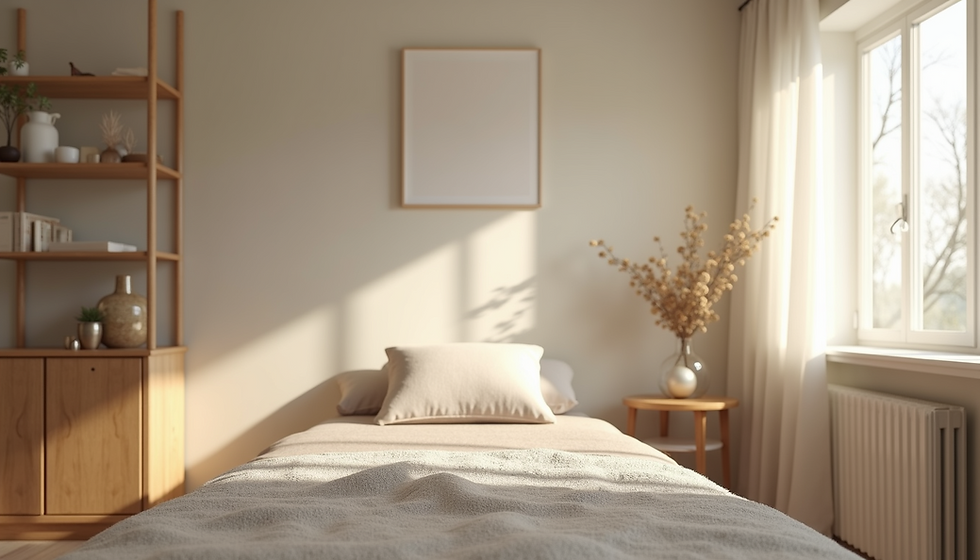
Creating a Peaceful Environment
Your surroundings play a significant role in your ability to find inner peace. Creating a calming environment can enhance your practice of mindfulness and relaxation.
Tips for a Peaceful Space
Declutter: Remove unnecessary items from your space to create a sense of order.
Incorporate Nature: Add plants or natural elements to your environment to promote tranquility.
Use Calming Colors: Choose soothing colors for your walls and decor, such as soft blues or greens.
Create a Relaxation Corner: Designate a specific area in your home for relaxation, complete with comfortable seating, soft lighting, and calming scents.
Conclusion
Finding inner peace is a journey that requires patience and practice. By incorporating techniques such as mindfulness meditation, deep breathing, and gratitude practices into your daily routine, you can cultivate a sense of serenity that enhances your overall well-being. Remember, it’s essential to be gentle with yourself as you explore these methods. Start small, and gradually build a practice that resonates with you. Embrace the journey toward inner peace, and allow it to transform your life for the better.


Comments